
Why Do Guinea Pigs Grind Their Teeth [9 Hints]

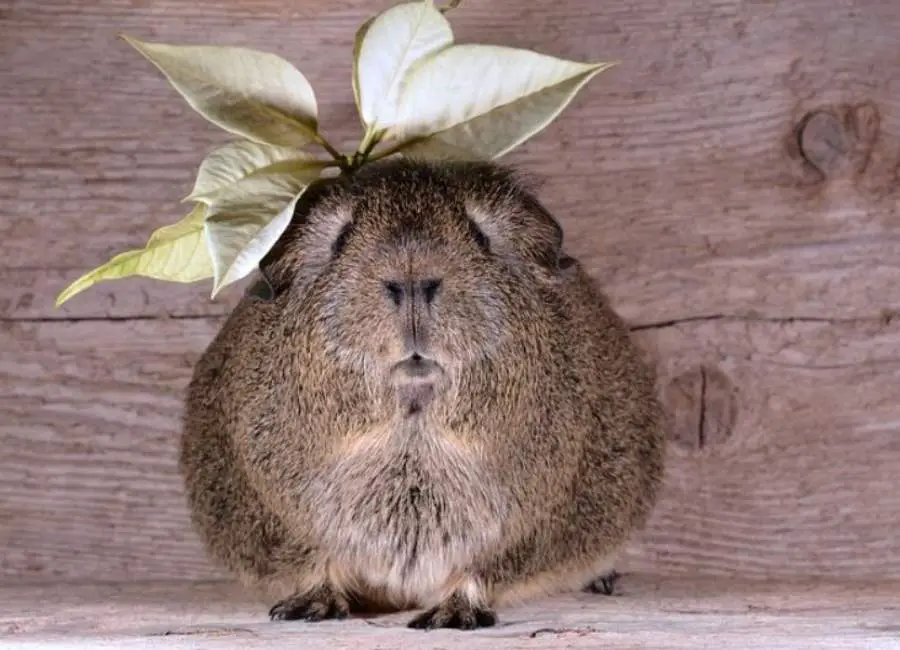
If you’re a proud guinea pig parent, you’ve probably noticed your furry friend occasionally grinding their teeth. But why do they do it? Is it a sign of pain or discomfort? Or is it just one of their quirky habits?
In this short blog post, we’ll explore the fascinating world of guinea pig behavior and uncover the reasons behind their teeth grinding.
So sit back, relax, and let’s delve into the world of these adorable little creatures!
Why Do Guinea Pigs Grind Their Teeth
Guinea pigs may grind their teeth due to a variety of reasons, including pain, discomfort, dental problems, or even happiness.
Teeth grinding in guinea pigs can be a sign of pain or discomfort, so it’s important to monitor your guinea pig’s behavior.
If your guinea pig is grinding its teeth excessively, it may be a sign of a dental problem that could lead to an infection or difficulty eating.
Guinea pigs also grind their teeth as a way to regulate the length of their teeth, as their teeth are constantly growing.
If you’re concerned about your guinea pig’s behavior, it’s always best to consult with a veterinarian.
Let’s break it down further…
Potential Reasons Behind Guinea Pigs’ Teeth Grinding
The following are some common reasons why guinea pigs grind their teeth:
1. Traumatic Experiences
Teeth grinding can occur in guinea pigs after traumatic experiences such as hard handling or a frightening occurrence.
Patience, kind handling, and giving a safe and secure environment are all important in assisting them in overcoming their concerns.
To re-establish trust, gradually reintroduce pleasant interactions like gentle caressing and offering treats.
Building a trusting and reassuring relationship can assist decrease teeth grinding caused by traumatic situations.
2. Dental Problems
Guinea pig dental disorders might emerge as enlarged teeth or misaligned jaws, causing discomfort and trouble eating.
Regular dental check-ups are vital for identifying and addressing these concerns as early as possible.
A trained veterinarian can trim or file the teeth as needed and advise on dental hygiene.
Furthermore, offering a hay-rich diet promotes normal teeth wear and minimizes overgrowth.
3. Pain or Discomfort
Teeth grinding can be a coping mechanism for pain or discomfort caused by traumas, infections, or internal organ issues.
It’s critical to keep an eye out for additional indicators, such as decreased activity, weight loss, or behavioral changes in your guinea pig.
Seek immediate veterinarian assistance if you suspect pain.
The veterinarian will perform a comprehensive examination to establish the underlying problem and make treatment recommendations.
4. Stress and Anxiety
Guinea pigs are sensitive animals that can suffer from stress and anxiety.
Loud noises, abrupt changes in their environment, or inadequate housing circumstances can all contribute to their anxiety.
Create a calm and pleasant atmosphere for your guinea pig to help relieve stress.
Provide hiding places in their enclosure, keep disturbances to a minimum, and make sure they have a safe and comfortable living space.
Spending quality time with them, interacting with them, speaking quietly, and delivering gentle strokes will help create trust and lessen anxiety.
5. Social Interaction Issues
Guinea pigs are gregarious creatures that thrive on company. Loneliness or a lack of socializing can cause teeth grinding.
Consider introducing a compatible friend to your single guinea pig.
To avoid aggressive behavior, introductions should take place gradually and under observation.
Allow the guinea pigs to socialize in a safe environment before introducing them to a common living space.
Regular social engagement and playfulness with both you and your guinea pig companion can satisfy their social connection needs.
6. Boredom and Lack of Stimulation
Monotonic living conditions can contribute to guinea pig teeth grinding.
To avoid boredom, fill their living environment with a variety of toys, tunnels, and puzzles.
To keep their attention, rotate the toys on a regular basis.
Fresh veggies, safe chew toys, and interactive playtime can also help redirect their attention away from teeth grinding.
Engaging their thoughts and bodies in stimulating activities can boost their overall well-being dramatically.
Learn more about looking after guinea pigs.
7. Malocclusion
Some guinea pigs may be genetically susceptible to malocclusion, or crooked teeth.
This illness can cause pain and trouble chewing. If you suspect malocclusion, seek the advice of a veterinarian.
To avoid overgrowth and minimize discomfort, treatment may include frequent trimming or filing of the teeth.
Your veterinarian can advise you on proper oral care practices to effectively manage this disease.
8. Allergies and Respiratory Issues
Allergies and respiratory difficulties might cause guinea pigs to grind their teeth.
Dusty bedding, harsh scents, or insufficient airflow in their living space can all cause respiratory problems.
Choose low-dust bedding materials and make sure their enclosure has adequate air circulation.
If teeth grinding continues or is followed by respiratory symptoms such as sneezing or wheezing, visit your veterinarian as soon as possible for a comprehensive evaluation and appropriate treatment.
9. Nutritional Deficiencies
A healthy diet is essential for avoiding dental problems and teeth grinding.
Guinea pigs require a diet heavy in fresh vegetables, high-quality hay, and a vitamin C source.
A lack of Vitamin C can cause tooth difficulties as well as other health problems.
Consult your veterinarian to verify your guinea pigs are receiving the proper nutrition for their individual needs. If necessary, they may suggest a vitamin C supplement.
Learn more about why guinea pigs bite.
When to seek veterinary care for your guinea pig teeth grinding
Teeth grinding is a common behavior in guinea pigs, and it can have several different causes, including overgrown teeth. In some cases, teeth grinding can indicate pain or discomfort in the guinea pig.
Therefore, it is always a good idea to monitor your guinea pig’s behavior and if you suspect that their teeth grinding is a sign of pain or discomfort, it is important to seek veterinary care as soon as possible.
If your guinea pig’s teeth grinding is accompanied by other symptoms such as loss of appetite, lethargy, or hunched posture, it may be an indication of an underlying health issue that requires veterinary attention.
Moreover, if you see that your guinea pig’s teeth are not grinding down naturally and seem excessively long, that may also indicate a dental issue, making it necessary to consult with a vet experienced in treating guinea pigs.
Overall, it is important to seek veterinary care if you notice any concerning behavior or health issues in your guinea pig, including teeth grinding, to ensure your pet is healthy and happy.
Learn more about the signs of a sick guinea pig.
Preventive Measures for Guinea Pig Dental Health
Preventive measures for guinea pig dental health include providing a high-fiber diet consisting of hay, fresh vegetables, and limited pellets.
Guinea pigs require a diet high in fiber to ensure their teeth are properly worn down, which helps prevent dental problems.
Additionally, providing toys made of materials that require gnawing, such as untreated wood or cardboard, can also help them wear down their teeth.
Regular check-ups with a veterinarian who can identify and treat dental problems early can also prevent more serious issues from developing.
Finally, it is important to avoid foods with high sugar content and provide regular access to fresh water to prevent dental disease.
Possible ways to prevent teeth grinding in guinea pigs
Here are some possible ways to prevent teeth grinding in guinea pigs:
- Offer a proper diet: Guinea pigs need a diet high in fiber and vitamin C to maintain good dental health. Provide them with plenty of hay, fresh vegetables, and a limited amount of pellets.
- Provide chew toys: Chewing helps to wear down their teeth, so it’s essential to give them chew toys to keep their teeth healthy and prevent them from grinding their teeth the wrong way. Examples of chew toys include hay cubes, wooden blocks, and fruit slices.
- Give them clean water: Make sure your guinea pig has access to plenty of clean water. Dehydration can cause dental problems and contribute to teeth grinding.
- Keep their cage clean: A dirty cage can lead to tooth problems if a guinea pig is constantly eating dirty or soiled bedding.
- Avoid sugary treats: Avoid sugary treats like fruits and sweets, as they can contribute to dental problems.
- Check their teeth regularly: Regularly check your guinea pig’s teeth for any signs of overgrowth, discoloration, or pain.
- Maintain proper humidity in the cage: Too much humidity can cause tooth root problems, so make sure the cage is not too humid.
- Provide proper lighting: Guinea pigs need access to natural sunlight or UVB lights for proper teeth development.
- Seek Veterinary Help: When in doubt or if you observe something abnormal, always seek the help of a professional vet.
How to treat guinea pig teeth grinding
Teeth grinding in guinea pigs, also known as bruxism, can be a sign of dental problems or discomfort.
It is important to identify the underlying cause of the teeth grinding and seek appropriate treatment.
Here are some steps that can help treat guinea pig teeth grinding:
- Take your guinea pig to a veterinarian who specializes in exotic animals. They can examine your pet’s teeth and identify any dental problems or misalignments that may be causing discomfort or pain.
- Provide your guinea pig with a diet rich in hay and fresh vegetables. This can help them wear down their teeth naturally and prevent overgrowth.
- Provide your guinea pig with chew toys, such as wooden blocks or untreated willow branches. This can help promote natural chewing behavior and prevent boredom.
- Monitor your guinea pig’s behavior and environment. Make sure they have enough space to move around and are not being harassed by other pets. Provide a clean and comfortable living environment with plenty of fresh water, food, and bedding.
- Follow your veterinarian’s recommendations for any needed dental procedures, such as filing or trimming your guinea pig’s teeth to the proper length.
Remember, teeth grinding in guinea pigs can be a sign of underlying health problems that require treatment.
If you notice your guinea pig grinding their teeth frequently or excessively, or if they show signs of pain or discomfort, seek veterinary care as soon as possible.
Related questions
Why do guinea pigs grind their teeth?
Guinea pigs often grind their teeth when they are feeling content or comfortable. This behavior is similar to a cat purring or a dog wagging its tail. It can also be a sign of stress or discomfort, so it’s important to know your guinea pig’s behavior patterns to understand what their teeth grinding may mean.
Are teeth grinding in guinea pigs a sign of pain?
While teeth grinding can be a sign of pain, it is not always the case. Guinea pigs may also grind their teeth when they are happy or content. However, if your guinea pig is grinding their teeth excessively, it could be a sign of dental or other health issues, so it may be worth checking with a vet.
Can teeth grinding in guinea pigs be harmful?
Teeth grinding itself is not harmful, but it can indicate underlying health issues that may need attention. If your guinea pig is grinding their teeth excessively or it seems to be causing discomfort, it is worth consulting with a vet.
How can I tell if my guinea pig is grinding their teeth?
You can often hear your guinea pig grinding their teeth, as it makes an audible sound. It can also be identified by the movement of their jaw and the position of their ears. If you’re not sure, try observing your guinea pig’s behavior and listening to the grinding sound.
Can guinea pig teeth grinding be prevented?
Since guinea pigs grind their teeth as a natural behavior, there is no way to prevent it completely. However, you can help promote a healthy mouth and teeth by providing them with a balanced diet that includes hay for chewing and occasional check-ups with a vet.
Are teeth grinding in guinea pigs genetic?
There is no evidence to suggest that teeth grinding in guinea pigs is a genetic trait. However, certain guinea pig breeds may have a higher propensity for dental issues or teeth grinding, so it’s important to be aware of your guinea pig’s unique health needs.
Conclusion
In conclusion, the mystery of why guinea pigs grind their teeth has been unveiled! From stress and anxiety to health issues and dental problems, there are a variety of reasons why these furry creatures might be experiencing this behavior.
As a responsible guinea pig owner, it’s important to keep an eye on your pet’s habits and ensure they are receiving proper care and attention.
So the next time you hear your guinea pig grinding their teeth, don’t panic – take a closer look and see if there might be an underlying issue that needs to be addressed.
